

Our November trip back to Tuscany is coming up soon.
So, I’ve been thinking about a question lately:
Why are we so uncomfortable doing nothing?
Not just in everyday life.
Even on vacation. We experienced doing nothing in February when we visited Radicondoli for the first time. It was pure bliss. And surprisingly really hard to do.
When we go somewhere like Italy it seems like a hard task to complete. Doing nothing on vacation, who wants to do that?
We spend years dreaming about the trip. We save the money. We finally book the flight.
And then we immediately start filling every available hour.
Florence.
Rome.
Venice.
Tuscany.
Cinque Terre.
A museum at 10.
Lunch at 12:30.
Wine tasting at 3.
Dinner reservation at 7:30.
Because we spent all this money.
Because we came all this way.
Because we need to make it worth it.
I understand that feeling.
But I’ve started wondering when “worth it” became synonymous with more.
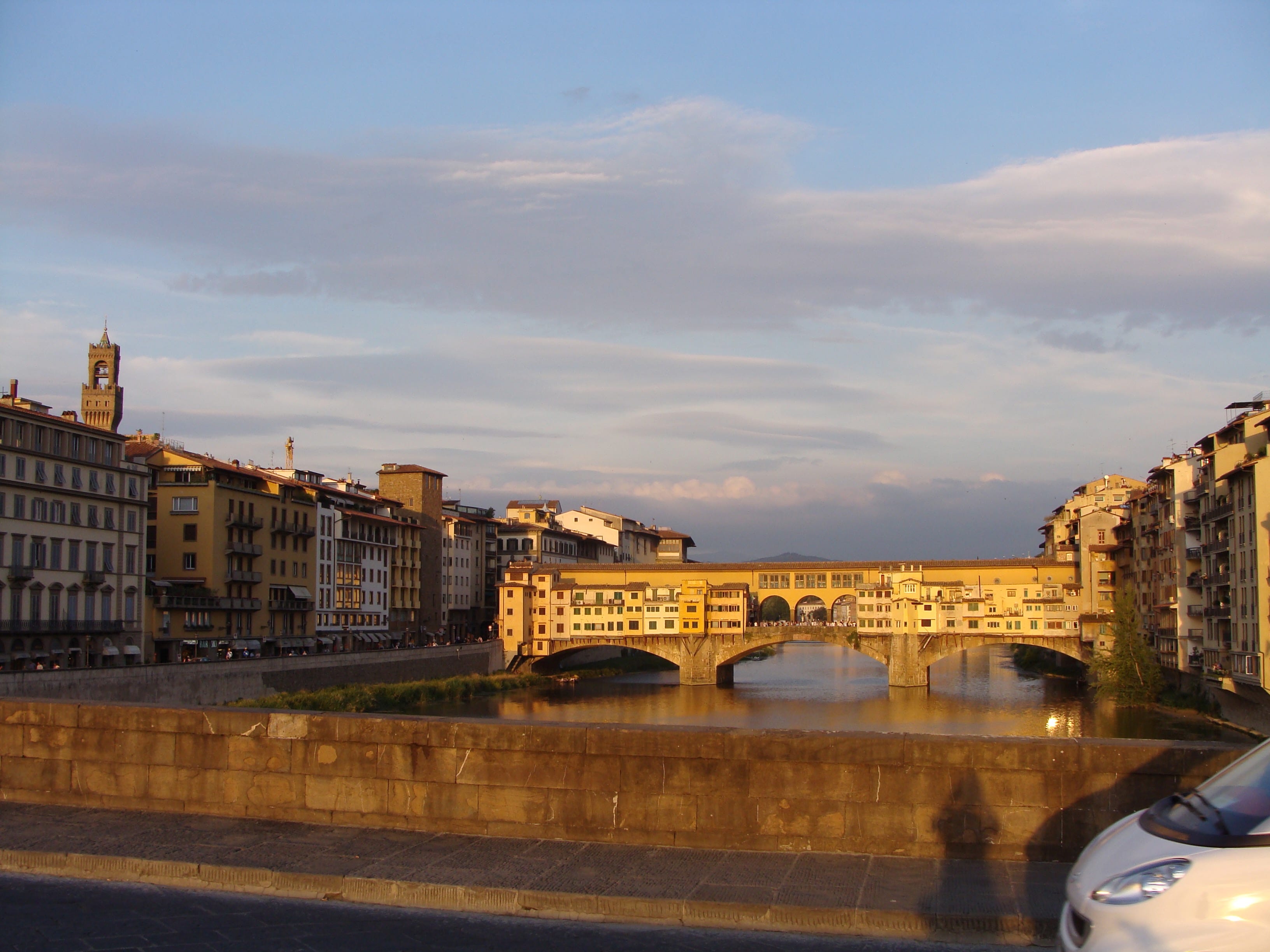
I Don’t Remember Florence That Way
When I think about the years I lived in Florence, I don’t immediately remember everything I saw.
I remember people.
I remember riding my bike through the city on my way to teach English.
I remember stopping for a panino and seeing Luca and Leo.
I remember running into people I knew on the bus.
I remember aperitivo with friends.
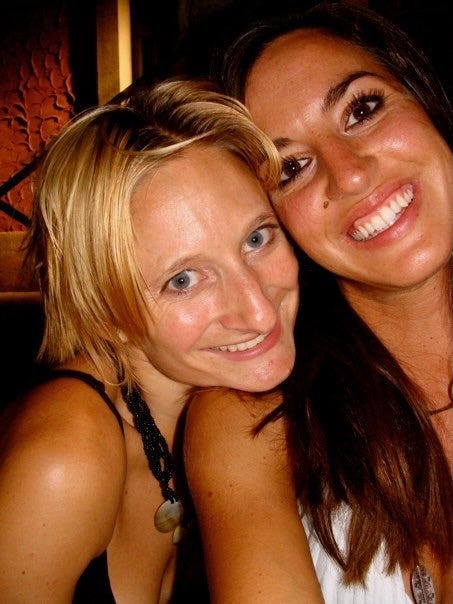
I remember sitting with my friend Laura in Piazza della Signoria with a bottle of wine and talking.
We weren’t accomplishing anything.
There was nowhere else we needed to be.
We were just there.
And years later, I can still see exactly where we sat.
That’s funny, isn’t it?
Of all the extraordinary things surrounding us in Florence, that’s one of the memories that stayed.
Two friends.
A bottle of wine.
A conversation.
Then It Happened Again
When Stefano and I stayed in Radicondoli, we had days when we did almost nothing.
At least that’s what they would look like on an itinerary.
We’d walk to Il Nazionale for our second coffee of the morning.
We wandered around the village.
Sometimes we’d have lunch out. Sometimes we’d go back to the apartment.
I’d read.
Stefano might watch television.
We’d take a nap.
Around five, we’d walk back to the bar for aperitivo.
And slowly, something happened.
People started recognizing us.
The regulars were there playing cards.
We started talking.
People wanted to know why these two strangers kept showing up in their village in February.
Where are you from?
Why are you here?
Why Radicondoli?
One afternoon, we sat outside our apartment because the winter sun was hitting the piazza just right.
Nearby were two older women talking.
One of them mentioned that she’d just turned 100.
And she said how happy she was that the sun was out.
She loved feeling it on her face. Noticing her eyes closed under her sunglasses.
That’s it.
Nothing happened.
No tour.
No reservation.
No attraction.
Just a hundred-year-old woman sitting in the Tuscan sun telling her friend she was happy to feel it on her face.
And I remember her.
Maybe We’re Measuring the Wrong Thing
I think many of us have become very good at measuring our lives by what we accomplish.
How productive were you today?
How much did you get done?
How much did you see?
Did you make good use of your time?
And apparently we don’t leave that person at home when we go on vacation.
We bring her to Italy.
And she has plans.
She comes to Tuscany with her landmarks, attractions, restaurants she wants to see.
But what if a meaningful day doesn’t always produce something?
What if sometimes the point is simply that you were there enough to notice it?
A woman enjoying the sun.
The same group of locals playing cards.
Someone remembering your coffee order.
The shopkeeper beginning to recognize you, and she says “Buongiorno Caterina’ when you enter.
A conversation you didn’t plan.
Use Your Eyes
My friend in Florence, Pasquale, who would point out to me when I wanted to photograph everything.
“Use your eyes.”
I’d want the picture.
And he’d basically say: why?
Look at it. Your eyes are the camera, he’d say.
And I’ve never forgotten that.
Because sometimes we’re so busy documenting an experience that we’re standing slightly outside of it.
We’re looking at the sunset through a screen.
We’re thinking about the next place while we’re still sitting in this one.
We’re already asking for the check because there’s somewhere else we’re supposed to be.
Italy has taught me something different.
Stay.
Have another glass of wine.
Order dessert.
Let lunch take two hours.
Sit in the piazza and don’t take out your phone.
Go back to the same bar tomorrow.
You don’t always need somewhere else to be.
See Less. Feel More.
I’ve started using these words a lot with Truly Italy:
See less. Feel more.
At first, I thought I was describing the way I wanted people to travel.
But I’m realizing it’s also describing the way I want to live.
Less rushing toward the next thing.
More noticing where I already am.
Less measuring a day by what I accomplished.
More asking myself whether I was actually present for it. Do I remember the feeling I had?
Maybe that’s what Italy has been trying to teach me all along.
And maybe doing “nothing” isn’t really doing nothing.
Maybe it’s giving life enough room to happen.
A presto,
Katie